Imagine your body as a garden. You can water it regularly, give it sunlight, pull the weeds — but if the soil is missing key minerals, nothing will grow the way it should. Supplements, if chosen wisely, are that missing soil enrichment.
We are living in an age of nutritional paradox. Grocery shelves are overflowing, calorie counts are higher than ever, and yet millions of people are quietly deficient in the very nutrients their bodies need to function. Long hours, processed food, chronic stress, and less time spent outdoors have created a modern nutritional gap that whole foods alone often can’t fill.
That’s where the clean daily supplements and no fillers come. Not as a substitute for healthy living but as an extra layer of considered, targeted support. This guide explores the most evidence-supported supplements for general wellness – what they are, why they matter, and how to think about adding them to your daily routine.
The core group: daily supplements to consider
Vitamin D3: The sunshine vitamin you probably aren’t getting enough of

If there is one supplement that almost every health professional agrees upon, it is vitamin D3. It regulates calcium absorption, supports immune function, affects mood through serotonin pathways, and is involved in hundreds of biochemical processes. The problem? More than 40% of adults everywhere are deficient — mostly because we spend so much time indoors. If you’re not getting enough daily sun exposure (and most of us aren’t), a daily dose of 1,000 to 2,000 IU is a good place to start. Pair with K2 (more on this below) to ensure calcium is going into your bones and not your arteries.
Omega-3 fatty acids: The anti-inflammatory essential your brain loves

Found in fatty fish, flaxseed, and walnuts, omega-3s (particularly EPA and DHA) are among the most researched supplements in the world. Their benefits span heart health, brain function, joint comfort, and inflammation management. The modern diet is notoriously high in omega-6 fatty acids (from vegetable oils and processed foods), which creates an imbalance that promotes inflammation. Look for a high-quality fish oil or algae-based omega-3 with at least 500mg of combined EPA and DHA per serving.
Magnesium: The Mineral That Works 300 Jobs and Doesn’t Get Credit
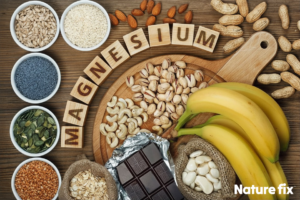
Magnesium acts as a co-factor in more than 300 enzymatic reactions, including energy production, protein synthesis, blood sugar control, and nerve transmission. But soils are depleted, so modern crops contain far less magnesium than they used to, making dietary insufficiency surprisingly common. Low magnesium is linked to poor sleep, muscle cramps, headaches, anxiety and fatigue. The form matters: Magnesium glycinate and magnesium malate are very bioavailable and easy on the stomach. Many people find that taking magnesium at night makes a big difference to the quality of their sleep.
Vitamin K2: The silent partner that keeps things in their place

K2 is one of those under-appreciated nutrients that doesn’t usually get its own headline, but works behind the scenes. Its main job is to direct calcium, ensuring it goes into bones and teeth rather than depositing in arteries. This is especially true if you are taking vitamin D3 and calcium as supplements. K2 is also good for your heart and bone density. Preferably MK-7 (menaquinone-7, derived from fermented foods such as natto) because of its longer half-life. A standard dose of 90–180 mcg per day with D3 is a well-known combination.
Vitamin C: The classic antioxidant that does what it should

Vitamin C isn’t just for the cold season. It’s a powerful antioxidant that helps neutralise free radicals, aids in collagen production (great for skin and joints), helps with the absorption of iron, and supports the immune system. Most animals can make their own vitamin C, but humans can’t — we have to get it from our food or supplements. Severe deficiency ( scurvy ) is rare today , but suboptimal levels are common , especially among people under chronic stress ( the adrenal glands burn through vitamin C at a rapid rate ) . A common dose is 500–1,000 mg per day. Most people tolerate this well.
B-complex vitamins: The body’s machinery for energy and mood
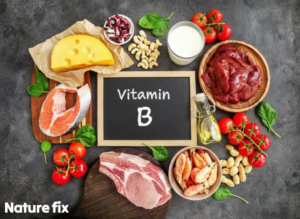
B vitamins are a group of water-soluble nutrients — B1, B2, B3, B5, B6, B7, B9 and B12 — that have important roles in energy metabolism, red blood cell production, DNA synthesis and neurotransmitter function. B12 is one that people who eat few or no animal products worry about since it’s found almost exclusively in animal-derived foods. B9 (folate) is important for pregnancy and cell division. You’re covered all around with a quality B-complex supplement. B vitamins often work synergistically, meaning they are more effective together than they are on their own.
The gut brain connection in a capsule: Probiotics
The gut microbiome is one of the most researched areas in health science today, and for good reason. The trillions of microbes that live in your intestines influence digestion, immunity, mood, inflammation, and even cognition. Antibiotics, stress and a diet low in fibre are some of the things that can upset this delicate ecosystem. A multi-strain probiotic supplement helps restore beneficial bacteria, especially strains of Lactobacillus and Bifidobacterium. Look for a product with multiple strains and at least 10 billion CFUs . The effect is even stronger if you take probiotics with foods high in prebiotics (onions, garlic, asparagus).
Zinc: The Immune System and Hormone Health’s Unsung Hero
Zinc is needed for immune cells to develop, for wounds to heal, for testosterone production, for taste and smell, and for DNA synthesis. It is also a strong antioxidant in its own right. Zinc deficiency is associated with frequent sickness, slow wound healing, thinning hair and low libido. Many people, including vegetarians, athletes and older adults, do not get enough, even though it is found in meat, shellfish and legumes. Two of the most bioavailable forms of zinc are zinc picolinate and zinc bisglycinate. Zinc and copper compete for absorption so long term zinc supplementation should ideally be balanced with a small amount of copper.
A practical hint
You don’t have to start with all of them at once. Start with 2-3 that address your biggest concerns, give your body 4-6 weeks to adjust and notice changes, and then gradually layer in others. Quality is everything. Look for reputable brands that offer third-party testing and transparency about ingredient sourcing.
Smart Ways to Build Your Supplement Routine
The supplement industry is inundating — and, frankly, it’s meant to be that way. There’s a lot of flashy marketing and aggressive claims, and as the shelf of options grows, it’s easy to spend too much money on things you don’t need—or worse, to overlook the basics that would actually help.
A 30-year-old athlete living in a sunny climate will require very different things to a 55-year-old desk worker living in a northern city. Where they can be done, blood tests are a godsend – they remove all the guesswork. At the very least, it can tell you where you’re starting from and if you need to supplement by checking vitamin D, B12, magnesium and ferritin (iron storage) levels.
Timing is also crucial. Dietary fat helps in the absorption of fat-soluble vitamins like D, K and omega-3s. Magnesium is often better tolerated in the evening. Taking probiotics on an empty stomach in the morning or with food depends on the strain. As B vitamins tend to provide a boost of energy, taking them earlier in the day may help you prevent sleep problems.
And remember, more is not always good. For example, higher doses of fat-soluble vitamins can accumulate in tissue and cause toxicity with time. Do not exceed established safe upper limits unless you are working with a health care professional who has reviewed your individual situation.
First, let’s talk about whole foods.
Supplements are just what their name says they are: extra. They work best layered on top of a solid dietary foundation—not as a substitute for consistently poor eating. A colourful, varied diet of vegetables, whole grains, quality proteins, healthy fats, and fermented foods provides a matrix of nutrients, fibre, and phytochemicals that no pill can fully replicate.
Think of these supplements as plugging the holes – the D3 you can’t get from a desk job, the omega-3s missing from a meal plan light on fish, the magnesium stripped by food processing. That’s when the combo really shines, when food does the heavy lifting and supplements do the edges.
Keep it in mind
Some supplements interact with medications. For example, vitamin K2 can interfere with blood thinners, and high-dose fish oil can increase bleeding risk. Always check with your doctor if you are on prescription medication or managing a chronic condition before adding new supplements to your routine.
Bringing it all together
Wellness is not a place you arrive at from having purchased the right things. It’s the sum of small choices made day-to-day — what you eat, how you move, how well you sleep, how you deal with stress. Bioavailable powder supplements fit into that picture as a smart, targeted tool. Used sparingly, they can help to fill nutritional gaps and provide your body with the raw materials it needs to function well.
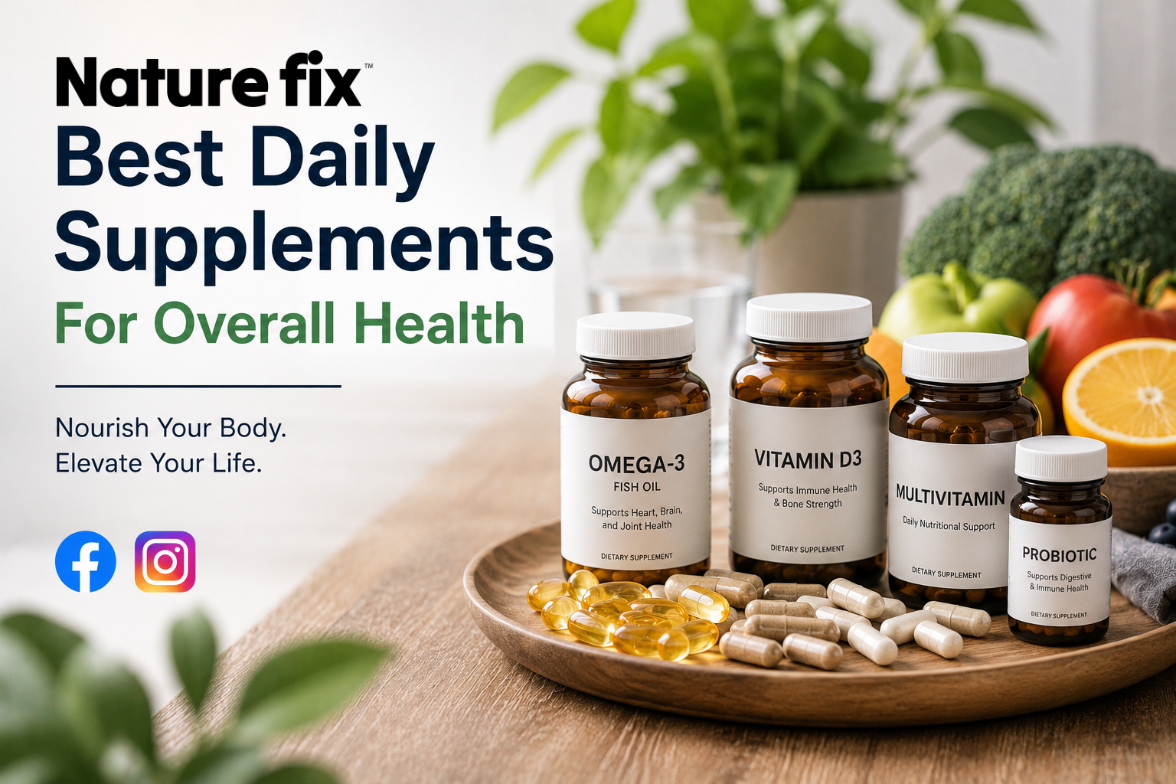
The core stack – vitamin D3, omega-3s, magnesium, K2, vitamin C, B-complex, probiotics and zinc – covers a lot of ground in terms of common insufficiencies and body systems. You don’t have to do everything at once, and you may not need all of them. But knowing what each one does, helps you to make smarter choices for your own unique biology.
Your body works hard for you every day and it doesn’t ask for much in return. Some intentional support goes a long way.